


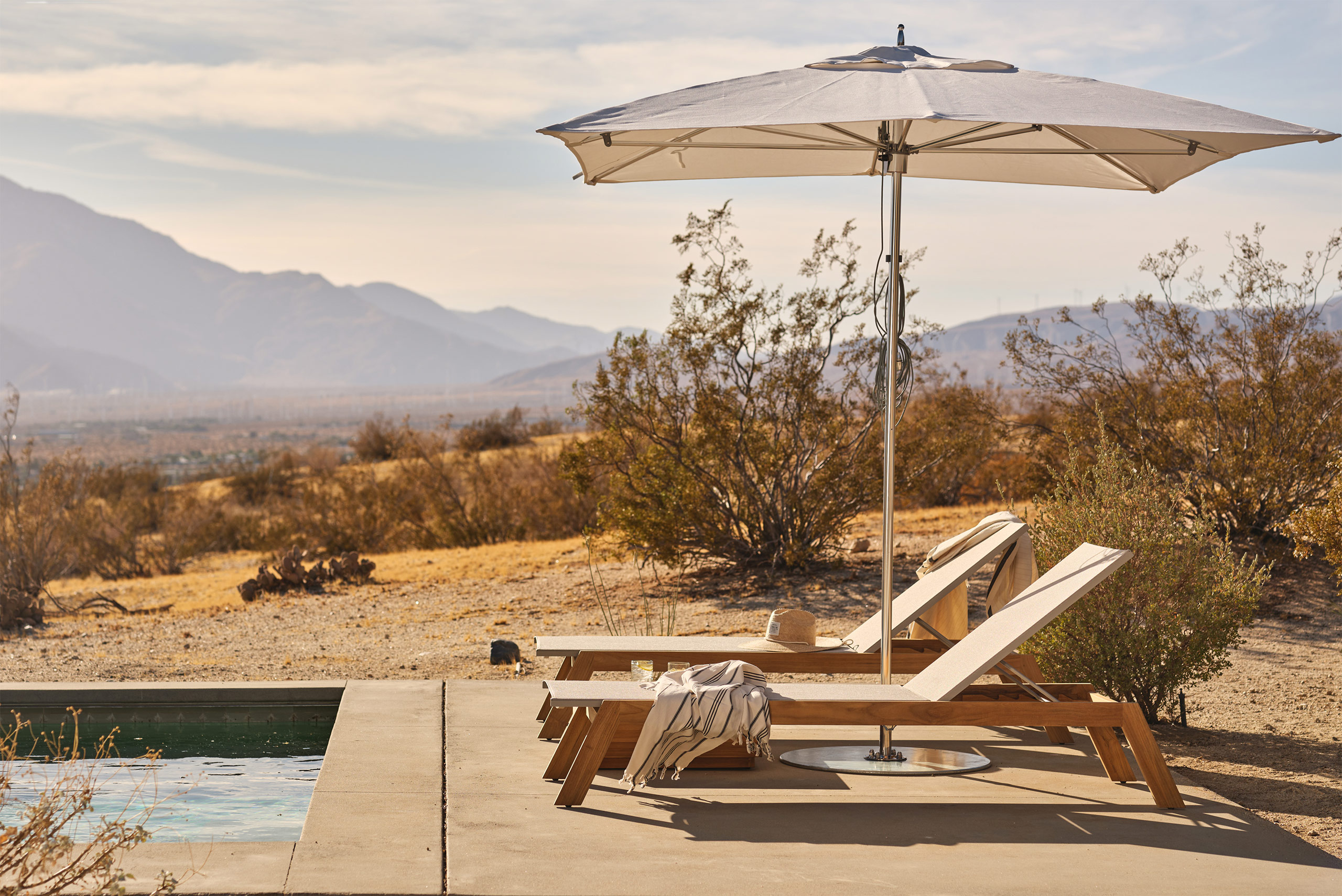
Outdoor furniture is made for some of life’s best moments. Long lunches in the sun. Quiet mornings with a cup of coffee. Afternoons by the pool and evenings that stretch well past sunset.
But creating furniture for life outside asks a lot of the materials that go into it. Sun, rain, moisture and changing temperatures are part of the everyday landscape. Along the coast, there’s salt in the air. In the mountains, there may be frost and snow. In warmer climates, intense sun can test finishes and fabrics season after season.
The best, long-lasting outdoor furniture is designed with all of this in mind. It brings together materials chosen for their beauty and durability, thoughtful construction, lasting comfort and a design you’ll want to live with for years to come.
Because furniture made for the outdoors shouldn’t simply survive the elements. It should make spending time outside feel effortless, season after season.
What Makes Outdoor Furniture Last?
“There’s no single material or feature that determines how long a piece of outdoor furniture will last. Longevity comes from how the entire piece is designed and built.”
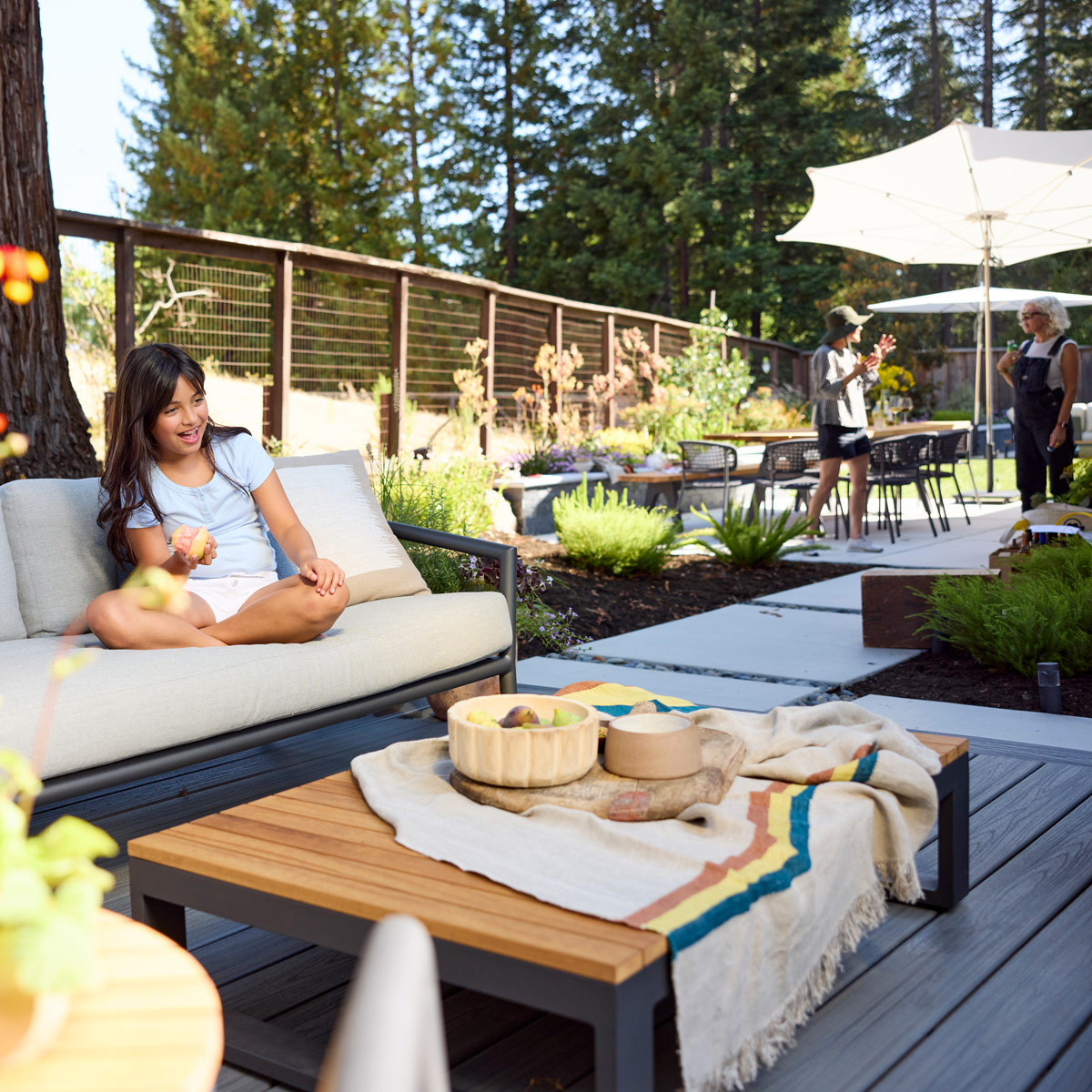
The best outdoor furniture is made for more than a season. Thoughtful materials and construction help create spaces that become part of everyday life for years to come.
A durable frame is only part of the equation. Finishes need to protect exposed surfaces. Hardware should resist corrosion. Fabrics and cushions have to stand up to moisture, sunlight and regular use. Connections and joinery need to remain strong as furniture is moved, used and exposed to changing conditions year after year.
Just as important is understanding how those materials are meant to age.
Durability doesn’t necessarily mean looking exactly the same forever. Teak, for example, naturally develops a silver-gray patina as it weathers outdoors. That evolution is part of the character of the wood, not necessarily a sign that the furniture is deteriorating. Other materials, such as powder-coated aluminum, are designed to maintain a more consistent appearance with relatively little maintenance.
That distinction matters when choosing long-lasting outdoor furniture. Rather than asking only how a piece will look when it arrives, consider how its materials will perform, weather and feel after years of life outside.
And that starts with choosing the right materials.
Start With Materials Built for the Outdoors
Beautiful outdoor furniture begins with materials that belong outside.
It sounds obvious, but outdoor spaces place very different demands on furniture than the rooms inside your home. Materials are exposed to UV light, moisture, temperature changes and everyday wear, often all at once. Choosing materials that are naturally suited to those conditions, or specifically engineered to handle them, is one of the most important steps toward creating furniture that lasts.
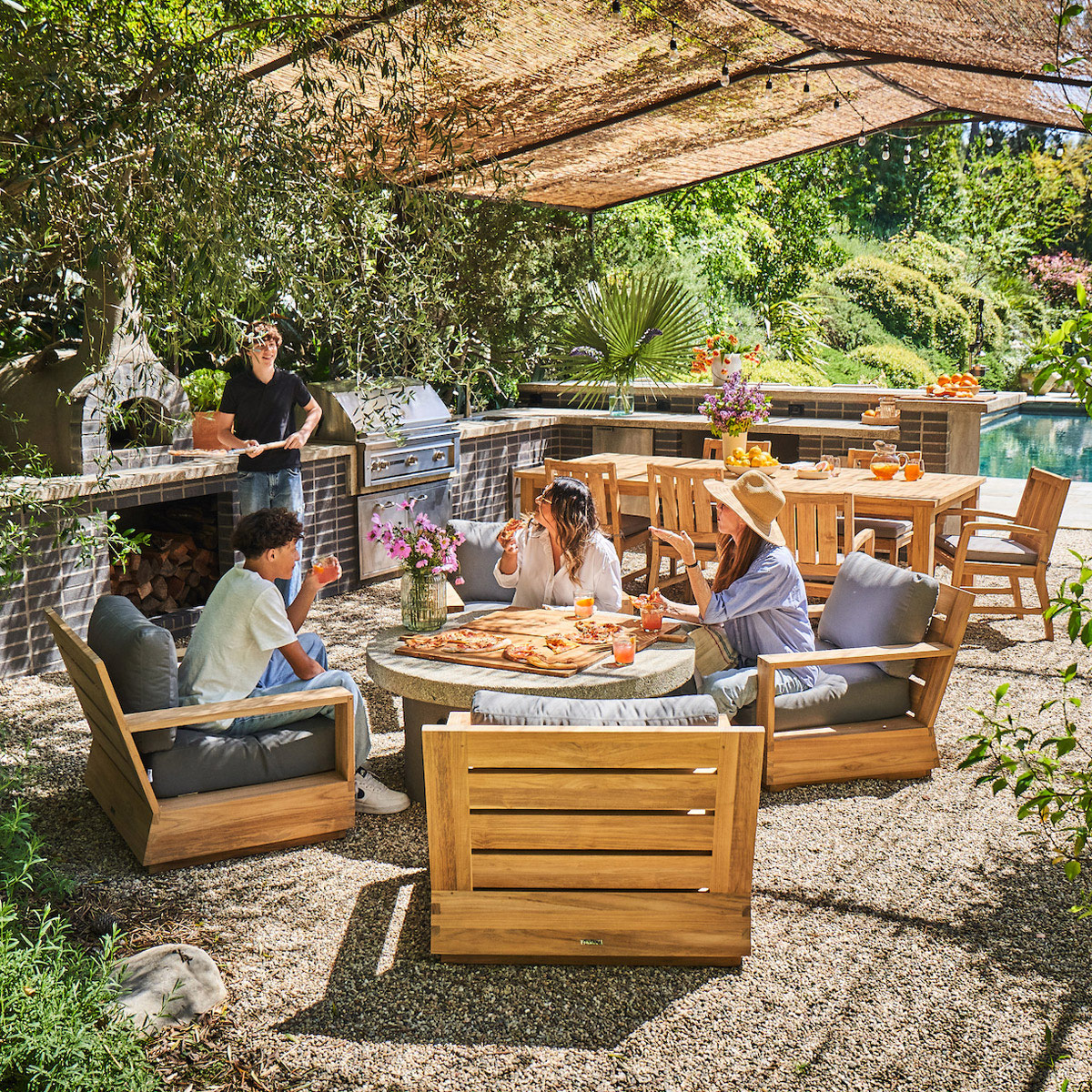
Materials chosen for outdoor performance can bring just as much warmth, texture and comfort to a space as those used inside the home.
Fortunately, durability no longer requires sacrificing comfort or design.
Grade A teak brings the warmth and character of natural wood outdoors. Powder-coated aluminum offers strength, corrosion resistance and clean architectural lines. All-weather rope and performance fabrics add texture and softness while standing up to sun and moisture. Materials like ceramic-stone and GFRC make it possible to create substantial dining and occasional tables designed specifically for outdoor environments.
Often, the most successful pieces combine several of these materials, allowing each to do what it does best. A teak element can bring warmth to an aluminum frame. Woven rope can add comfort and texture to a dining chair. Performance cushions can make an outdoor sofa feel every bit as inviting as the one inside.
The result is a new generation of outdoor furniture that doesn’t have to look or feel utilitarian simply because it’s built to withstand the elements. The materials doing the hard work can also be what makes a piece beautiful.
And few materials illustrate that balance better than teak.
Teak: A Material That Gets Better With Time
Few materials have a longer history outdoors than teak. Naturally dense and rich in oils, teak has an inherent ability to withstand moisture, changing temperatures and years of exposure to the elements. It’s one of the reasons the wood has been used for generations in everything from boatbuilding to outdoor furniture.
But durability is only part of teak’s appeal.
New teak has a warm, golden tone and distinctive grain that brings natural character to an outdoor space. Left untreated and exposed to sun and weather, that color gradually softens before developing the silvery gray patina associated with aged teak. The transformation is entirely natural and, for many people, part of what makes the material so beautiful.
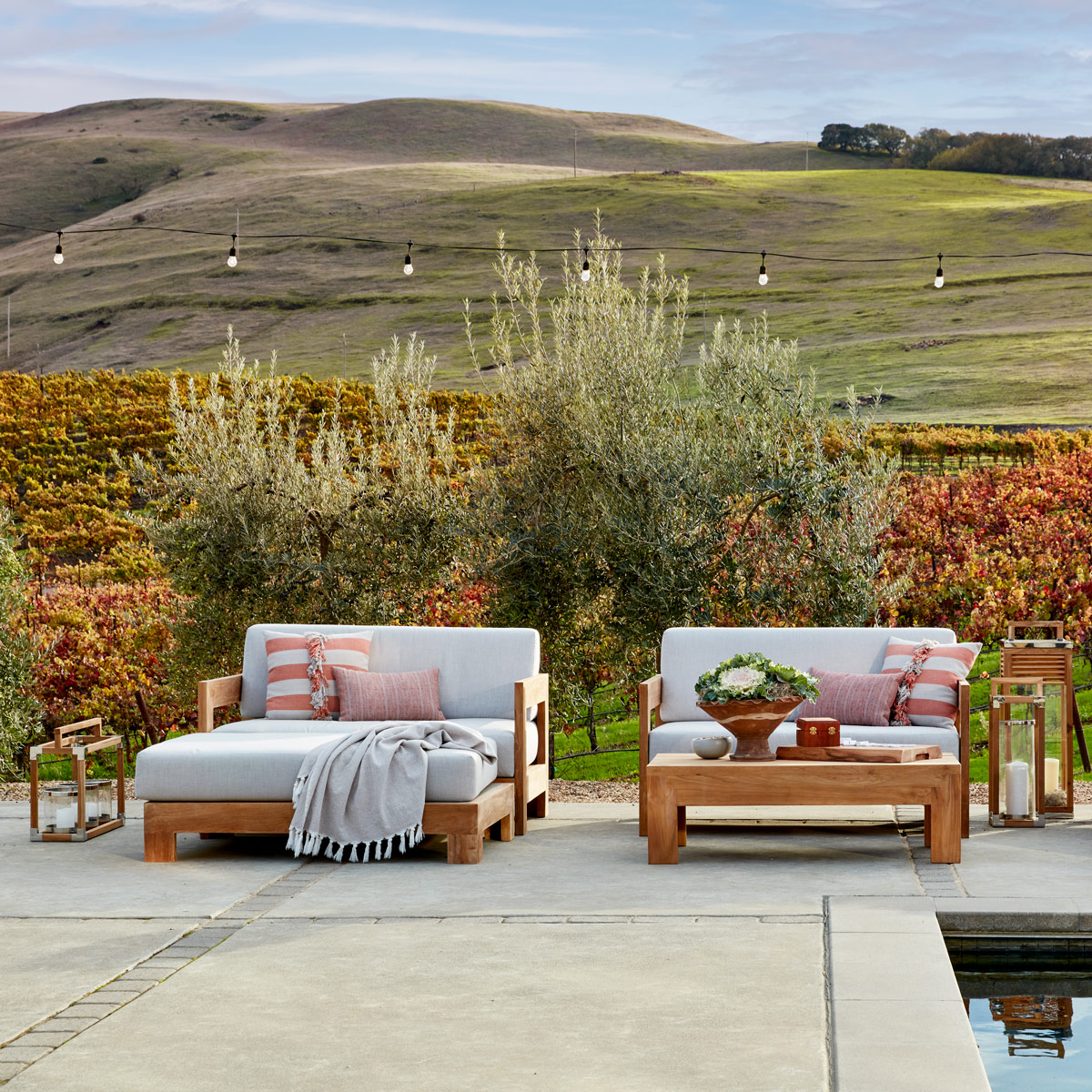
Designed to weather naturally, teak develops more character as the seasons pass.
Most importantly, the change in color doesn’t mean the teak is wearing out. Quality teak can continue to perform outdoors long after its appearance has evolved. Homeowners who prefer the weathered look can simply allow the process to happen naturally. Those who want to maintain more of teak’s original golden color can do so with periodic cleaning and appropriate teak-care products.
“Durability doesn’t mean staying unchanged. Some of the best outdoor materials are designed to age beautifully.”
The quality of the teak itself matters, too. At Terra, we almost exclusively use Grade A teak, sourced from the dense heartwood of mature trees. This portion of the tree contains a higher concentration of the natural oils that help give teak its stability and resistance to the elements. Careful construction and joinery allow those qualities to become part of a piece of furniture designed for years of use outside.
Teak also has a quality that’s harder to capture on a specification sheet: it ages with its surroundings. A teak dining table can feel equally at home on a newly finished patio or years later among mature landscaping and a well-established garden. Small variations in grain, tone and eventually patina give each piece a character of its own.
That makes teak an unusual outdoor material. Time doesn’t simply test it. In many ways, time becomes part of its character.
Powder-Coated Aluminum: Strength Without the Weight
If teak shows how a natural material can adapt beautifully to life outside, powder-coated aluminum demonstrates what thoughtful engineering can accomplish.
Aluminum has become a mainstay of modern outdoor furniture for good reason. It’s strong without being unnecessarily heavy, naturally resistant to rust and well suited to furniture that may spend much of the year exposed to sun, moisture and changing temperatures. For spaces where furniture needs to be moved or rearranged regularly, its lighter weight can also be a practical advantage.
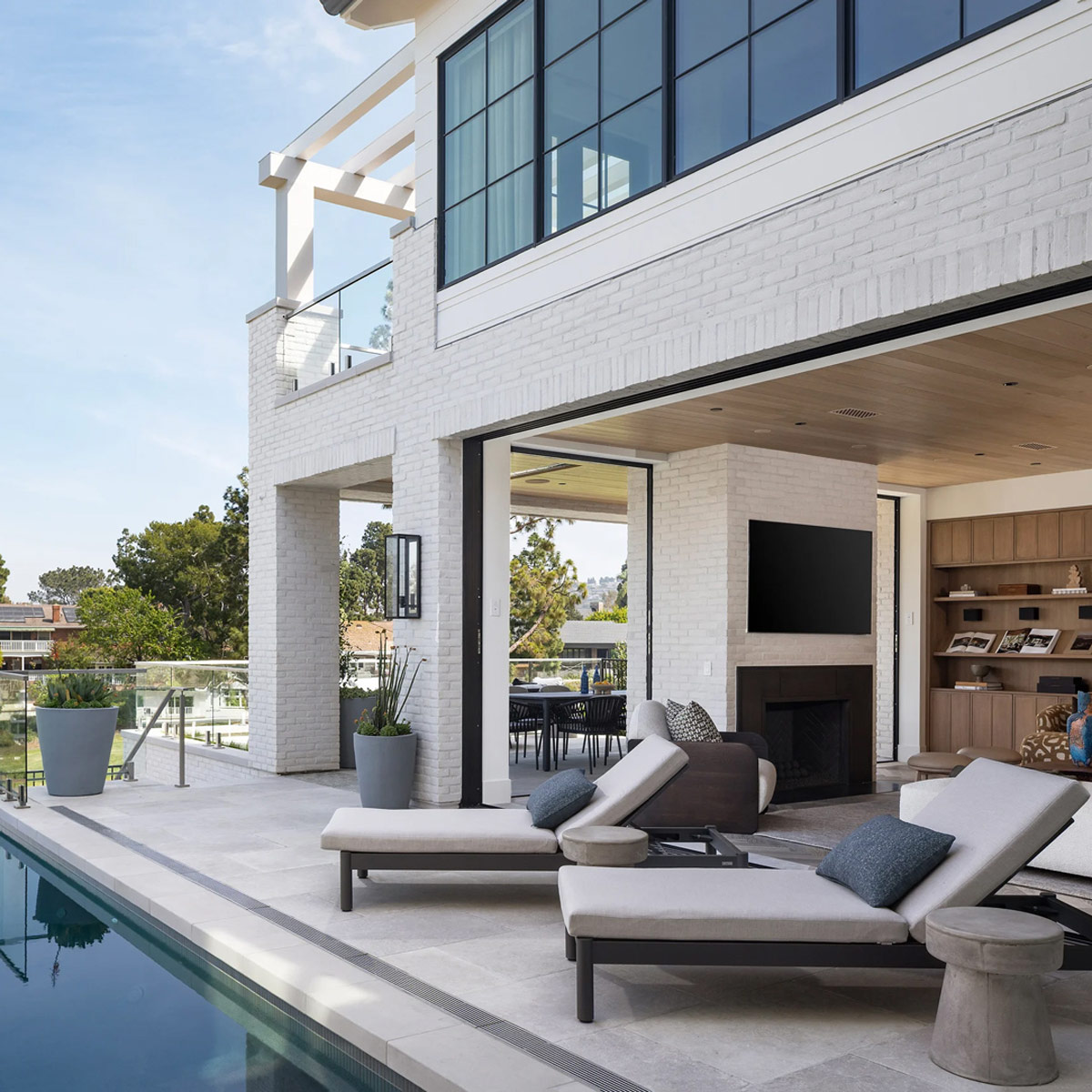
Lightweight, corrosion-resistant aluminum is particularly well suited to exposed outdoor spaces and poolside environments.
The finish matters just as much as the frame beneath it. Powder coating uses a dry finishing process to create a durable exterior layer that helps protect the aluminum while adding color and texture. Unlike conventional liquid paint, the finish is bonded to the surface and cured, creating a smooth, resilient coating designed to stand up to everyday outdoor use.
That combination makes powder-coated aluminum particularly versatile. Around pools, it can handle frequent exposure to splashes and moisture without the rust concerns associated with ordinary steel.
In sunny environments, quality outdoor finishes protect the frame through seasons of UV exposure. And because aluminum requires relatively little maintenance, occasional cleaning keeps it looking its best.
There’s an aesthetic advantage, too. Aluminum shaped into slender profiles and clean architectural forms avoids making furniture feel visually heavy. That gives designers freedom to create pieces that feel refined and contemporary while still being built for the realities of outdoor living.
For long-lasting outdoor furniture, that balance matters. Durability is most successful when you barely have to think about it.
Performance Materials Have Changed Outdoor Living
There was a time when choosing furniture for the outdoors meant making compromises. The materials best equipped to handle the elements weren’t always the ones you’d choose for comfort, and upholstered seating often required considerably more protection and maintenance.
That distinction has become increasingly blurred.
“Outdoor furniture no longer has to feel like a compromise between comfort and durability.”
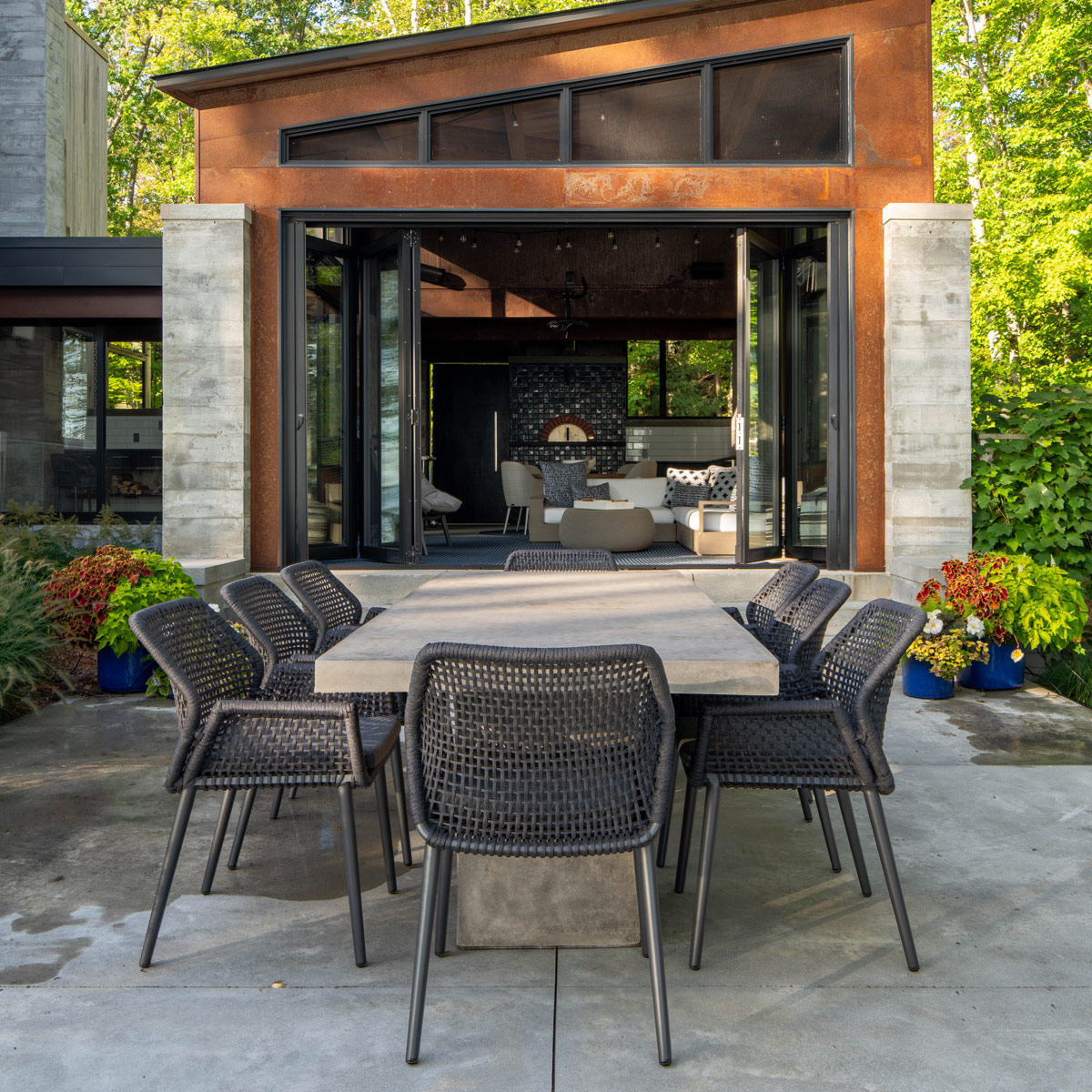
Performance materials bring the comfort and texture of indoor living outside, without losing sight of the demands of life in the elements.
Advances in performance fabrics, quick-drying cushions, all-weather rope and textilene mesh slings bring the softness and comfort of indoor spaces outside. Designed to handle sun, moisture, spills and everyday use, these materials make outdoor furniture more inviting without sacrificing durability.
All-weather rope adds warmth and texture while offering the resilience needed outdoors. Sling provides breathable, supportive seating that dries quickly and requires little upkeep, making it especially well suited to poolside spaces and warmer climates.
Performance fabrics have transformed outdoor living even further. Deep seating, generous cushions and sofas can now deliver indoor-level comfort while better resisting fading, moisture and stains.
A little care still goes a long way. Protecting cushions during prolonged bad weather and periodically cleaning fabrics and woven surfaces can help extend their life.
Comfort and durability are no longer opposing ideas. The best outdoor furniture is designed to deliver both.
Different Climates Ask Different Things of Furniture
There’s no single outdoor environment, and durability can mean something different depending on where you live.
In hot, sunny climates, prolonged UV exposure and heat put finishes, fabrics and natural materials to the test. Shade can help, but furniture designed for these environments should be prepared to spend long days in direct sun.

Intense sun and heat place their own demands on outdoor furniture, making UV-resistant finishes and performance materials especially important.
Along the coast, the challenge changes. Salt air and moisture make corrosion resistance particularly important, favoring materials like teak and powder-coated aluminum along with hardware and finishes intended for outdoor exposure.
Humid and rainy environments bring another consideration: how quickly furniture can shed water and dry. Breathable sling, performance fabrics, quick-drying cushion construction and furniture that allows good airflow can make outdoor spaces easier to live with when afternoon showers are part of the routine.
“The longest-lasting outdoor furniture is furniture chosen with its environment in mind.”
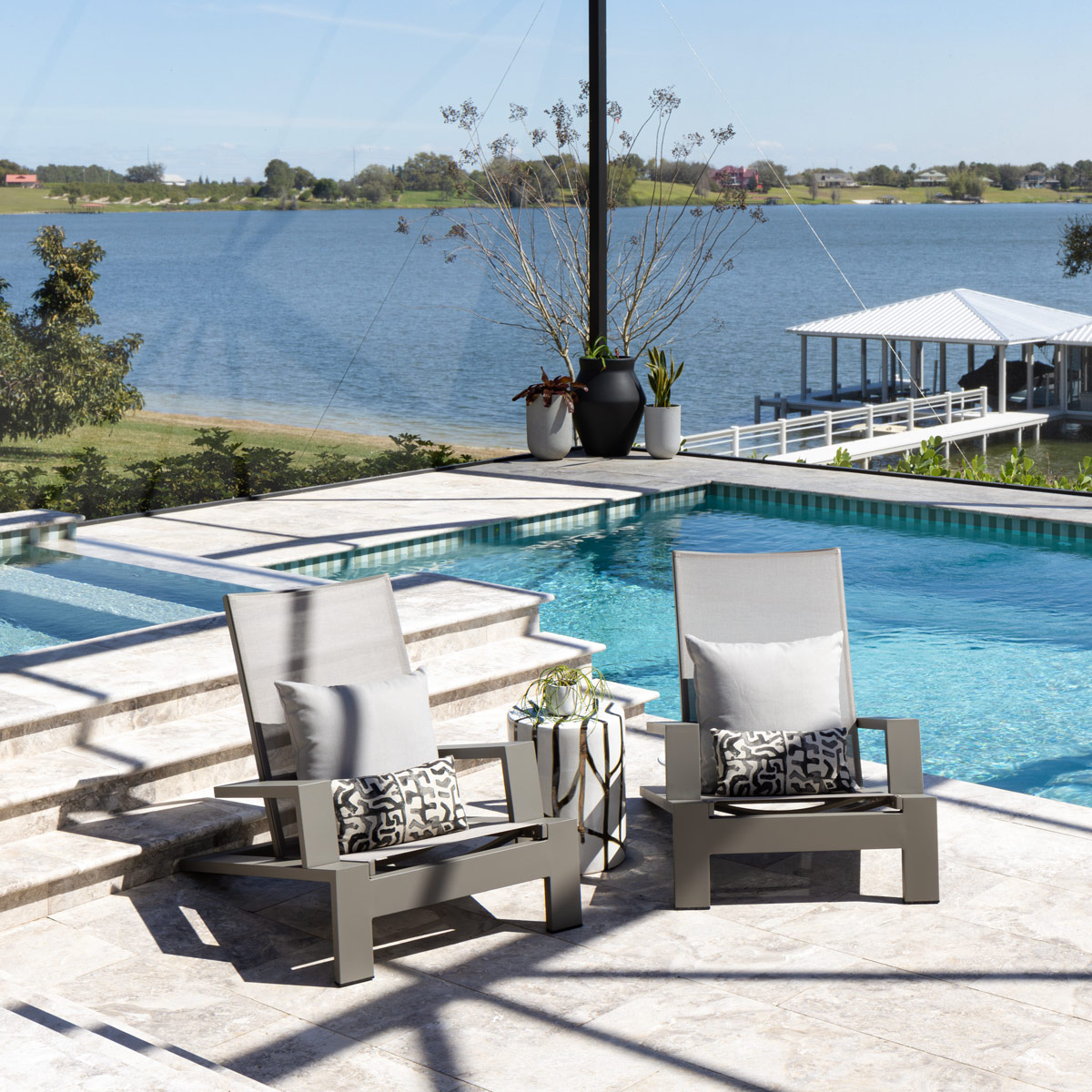
In humid and rain-prone climates, materials that handle moisture and dry efficiently can make outdoor living easier to enjoy.
Four-season climates may ask the most of outdoor furniture. Summer sun can give way to rain, frost and eventually snow. Quality materials can handle changing conditions, but covers, cushion storage and seasonal protection can reduce unnecessary exposure during stretches when the furniture isn’t being used.
None of this means you need a completely different kind of outdoor space depending on your ZIP code. It simply means considering the environment alongside the way you plan to live outside.
The right materials are the starting point. How they’re put together matters just as much.
Construction Matters as Much as Materials
Choosing the right materials is only part of what makes outdoor furniture last. How those materials are put together matters just as much.
A beautifully finished frame may catch your eye first, but many of the details that determine longevity are less obvious. Solid joinery helps wood furniture remain stable through years of use and changing conditions. Clean, well-executed welds give aluminum frames strength without unnecessary bulk. Outdoor-rated hardware and fasteners help resist corrosion where individual components come together.
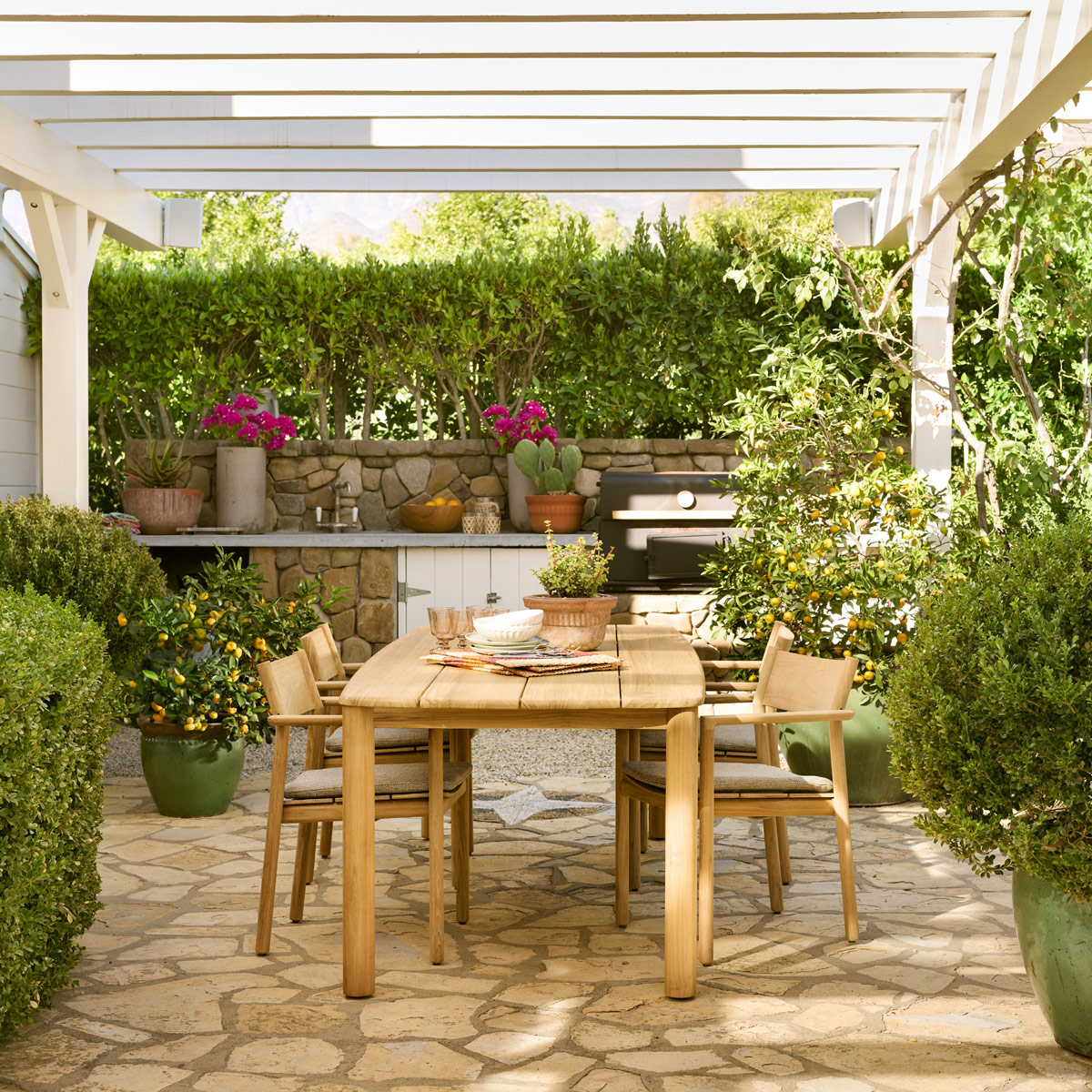
Thoughtful construction allows quality materials to perform as intended, season after season.
Good construction also shows up in how furniture feels. A dining chair should feel solid when you sit down. A table shouldn’t shift or wobble under normal use. Moving parts on an extension table should operate smoothly, and lounge furniture should maintain its support and comfort after years of afternoons outside.
These details may not be as immediately noticeable as the grain of teak or the texture of a woven chair, but they’re an important part of the difference between furniture made simply to look good outdoors and furniture designed to live there.
When evaluating long-lasting outdoor furniture, it pays to look beyond the surface. Quality materials provide the foundation, but thoughtful construction is what helps them perform for years to come.
A Little Care Goes a Long Way
Even the best outdoor furniture benefits from a little attention. The good news is that caring for well-made furniture shouldn’t become another weekend project.
Regular cleaning helps prevent dirt, pollen and other outdoor debris from building up on frames, fabrics and woven surfaces. Cushions can stay outside through everyday use, but storing or covering them during prolonged stretches of wet weather can help keep them looking their best. Furniture covers offer another layer of protection during periods when your outdoor space isn’t being used as often.
Natural materials may call for a few choices along the way. Even teak that has weathered significantly can be cleaned and restored, bringing back much of the rich, golden color it had when new.
Products such as SEMCO’s two-part teak cleaner and protective sealers can help restore and preserve that showroom-fresh appearance. Whether you embrace the patina or return the wood to its original warmth is largely a matter of personal preference.
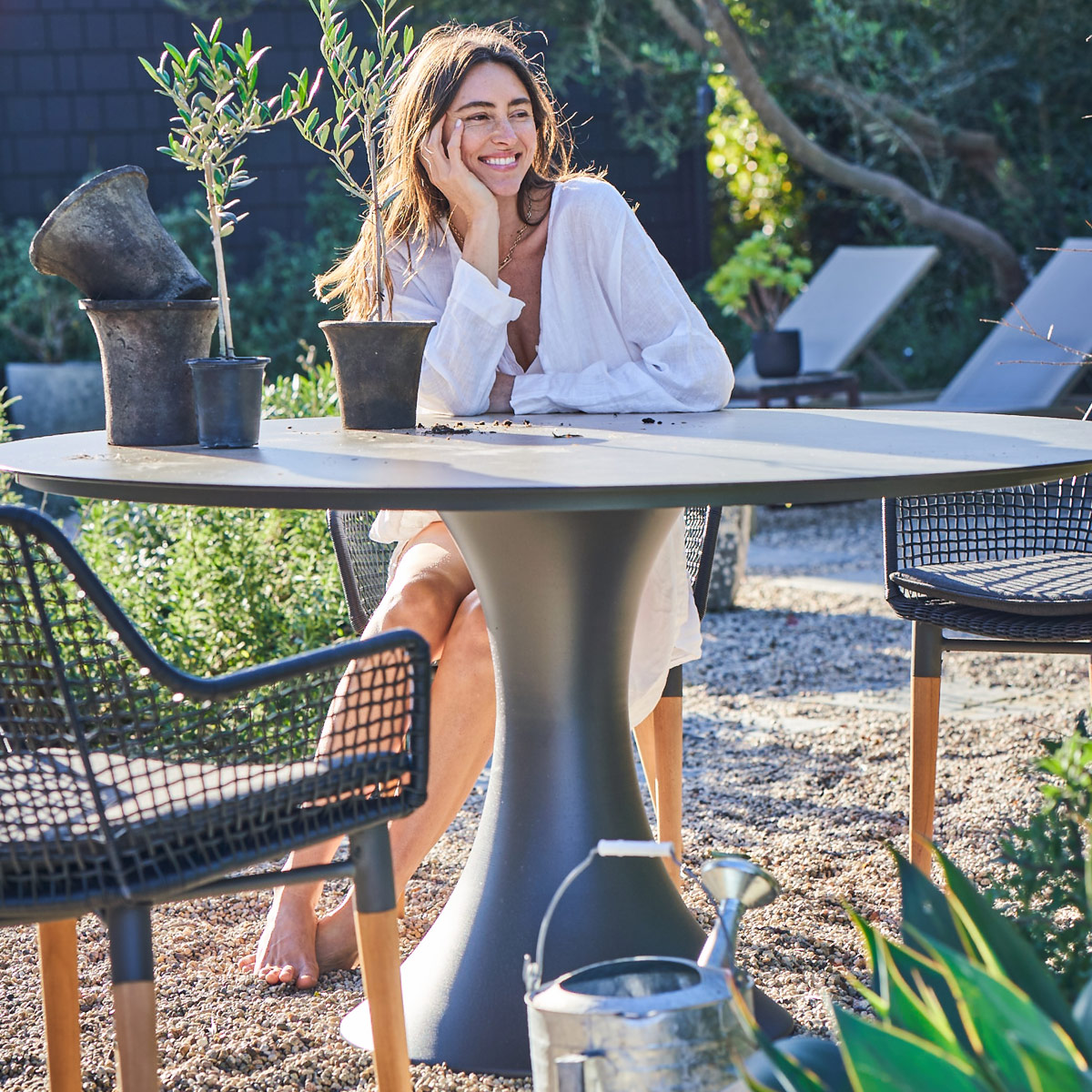
Like any part of a well-loved outdoor space, a little routine care can help quality furniture look and perform its best for years.
Your climate and surroundings matter, too. A covered patio in a dry environment will naturally require different care than furniture exposed year-round to coastal air, frequent rain or falling leaves.
The goal isn’t to keep outdoor furniture looking untouched. It’s to give quality materials and construction the simple care they need to keep doing what they were designed to do: live outside.
Designed for More Than One Season
Choosing outdoor furniture that lasts is ultimately about more than materials, finishes or construction. It’s about creating a space that will continue to be part of your life for years to come.
The Saturday breakfasts that turn into afternoons outside. Summer dinners with friends. Quiet mornings with coffee. Kids coming in and out of the pool. Cool evenings when everyone gathers around the fire table and stays a little longer than planned. Over time, the furniture becomes less something you notice and more part of the setting where those moments happen.
That’s why choosing long-lasting outdoor furniture means looking beyond how a piece appears today. Consider how it’s made, how its materials will respond to your environment and how naturally it fits the way you want to live outside.
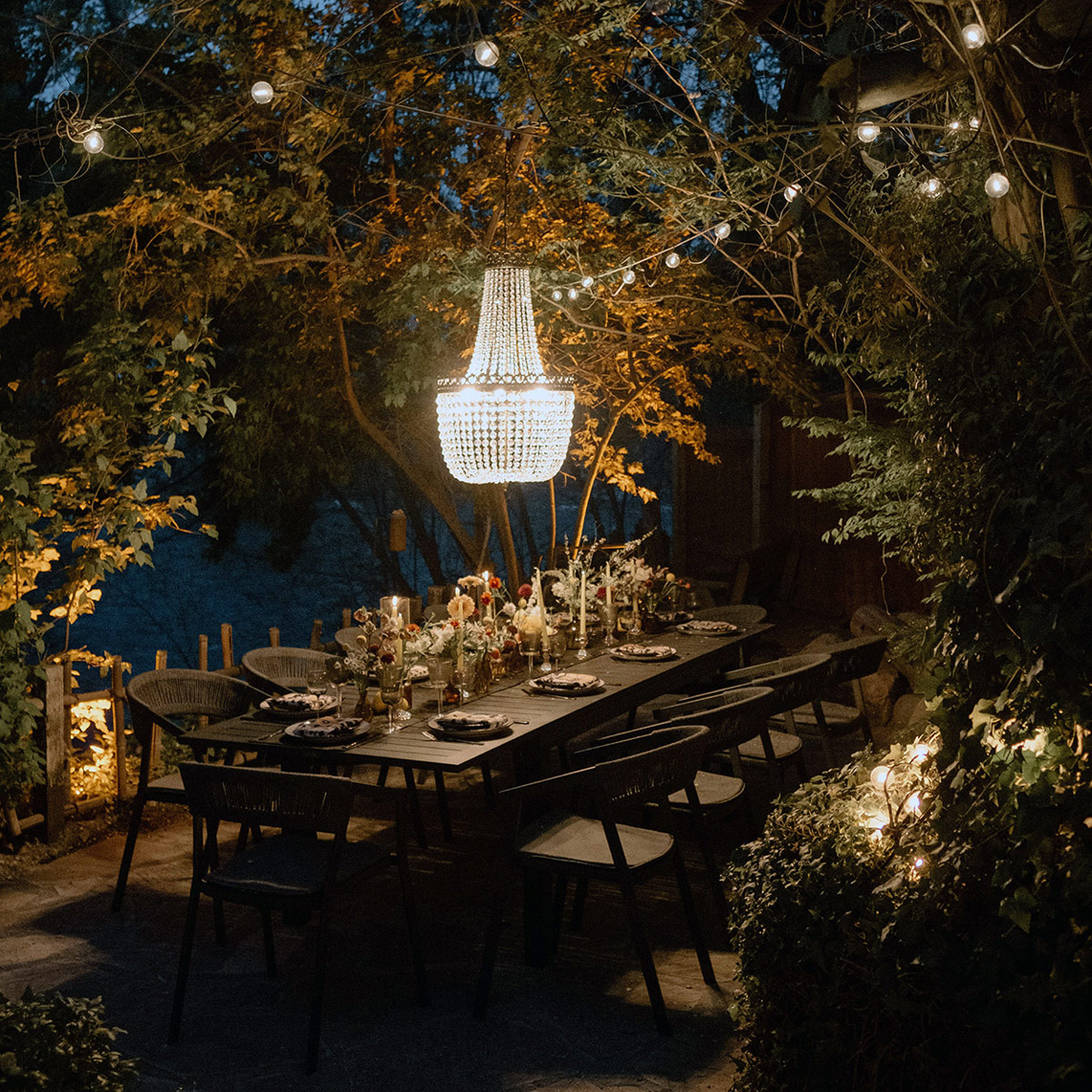
Made for dinners that linger, conversations that run late and years of life outside.
Long-lasting outdoor furniture shouldn’t demand much from you. It should be comfortable, dependable and ready whenever you decide to step outside.
The best outdoor furniture doesn’t simply survive years outside. It becomes part of them.